Chains: Tracing links Between History, Craft, and Modern Meaning
There’s something utterly timeless about a chain. At once simple and complex, chains have bound together not just materials, but generations, cultures, and stories, from the ancient Sumerians to today’s city streets and jewelry ateliers. This season, as we celebrate craft, heritage, and moments of connection, I want to guide you through some chain types, linking the past to the present, and reimagined in our Minrl collections.


Let’s unlock their stories.
1. Loop-in-Loop: Ancient Ingenuity Reborn
Of all chain types, The Loop-in-Loop is perhaps the most evocative of ancient artistry. The technique dates back over five thousand years: early examples of these chains were discovered in the royal graves at Ur (circa 3000 B.C.), evidence of their value and mystique. What’s remarkable is the method itself; every link is formed, fused, and woven one with another by hand, creating a supple yet enduring fabric of metal that feels alive against the skin.
But the beauty of the loop-in-loop doesn’t end with jewelry. In architecture, this pattern is echoed in the great iron chains that once defended Venetian harbours or lined ancient city gates, a reminder that a simple link can mean both beauty and protection.
Our own handmade Loop-in-Loop Bracelet honours that heritage, rendered in square wire for a contemporary, gender-fluid feel. Each is finished with a nod to tradition, a “sister hook” clasp, and designed to age gracefully, accumulating history while worn.
Care tip: Because each loop is hand-linked, these chains are surprisingly strong. Store them uncoiled to preserve their flexible drape, and clean gently to honour the artistry.


2. Paperclip: From Everyday Office Icon to Urban Texture
Few objects are as immediately recognizable, or as versatile, as the humble paperclip. In jewelry, the paperclip chain has seen an extraordinary comeback: its minimalist, elongated links are clean, modern, and full of subtle playfulness. Historically, the chain’s silhouette echoes industrial innovation, a design meant to hold things together, recontextualized for adornment. But paperclip chains have also shaped our built environment. Consider the oversized chains used in urban barriers, park installations, or even as sculptural features in contemporary landscape design. The repetition of form, the possibility for movement, and the touch of rebellion (paperclips famously symbolized resistance during WWII) all lend this chain a unique energy. With fewer joints than traditional link chains, paperclip styles are easy to clean and maintain, making them a practical everyday favourite.
3. Hexagon Link: Geometry with Spirit
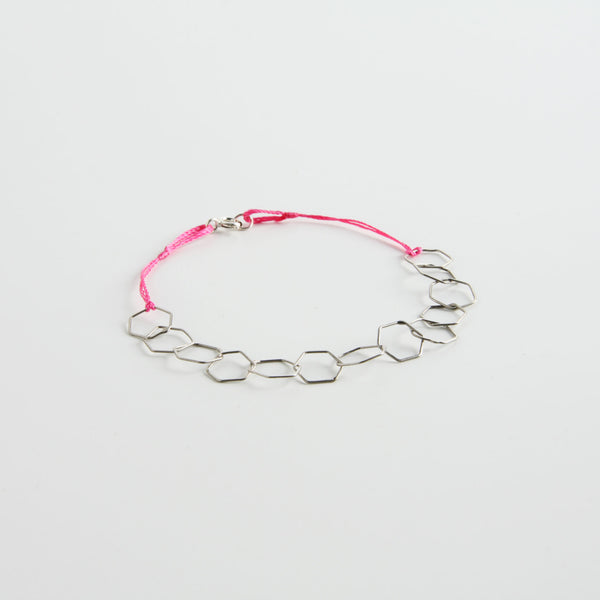
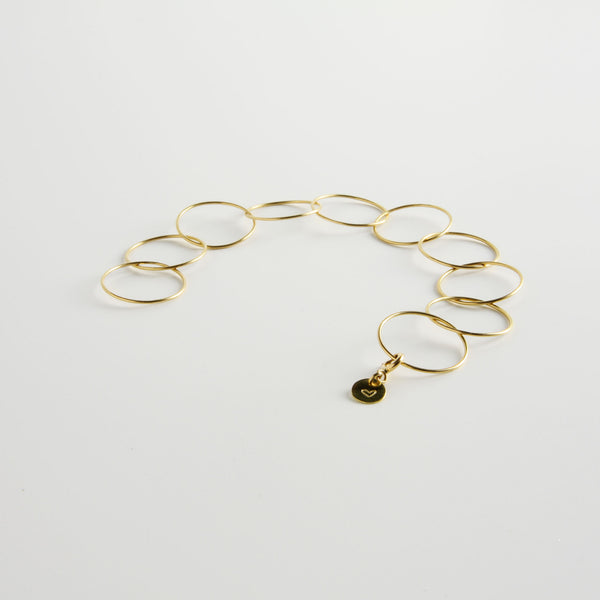
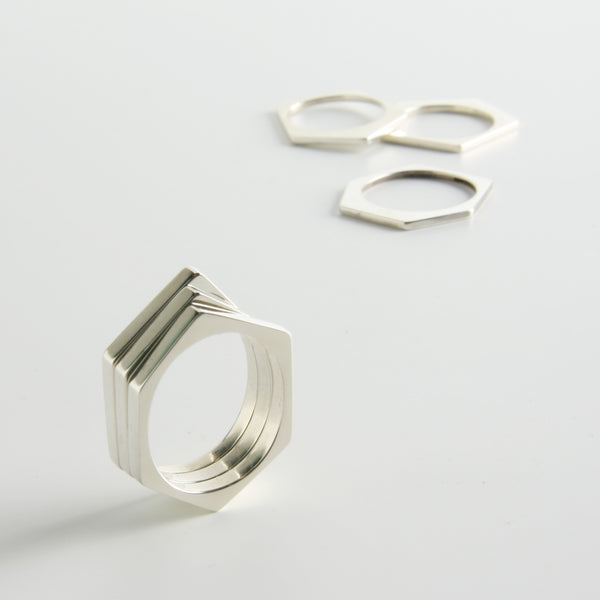
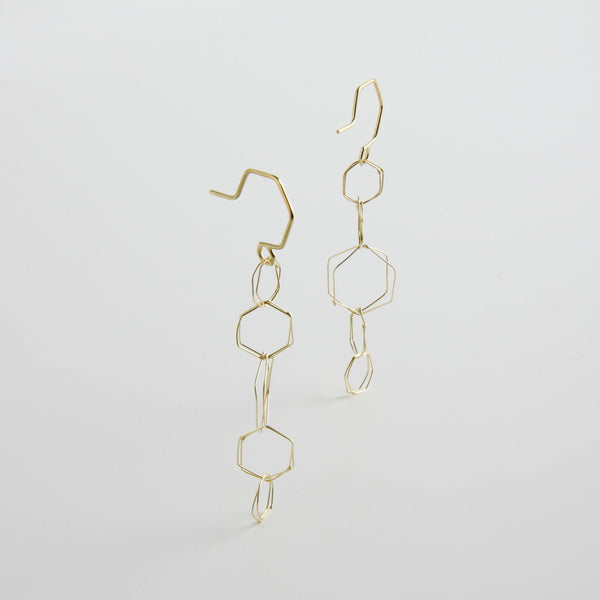
Geometric, elegant, and deeply meaningful, the hexagon is a structure found throughout the natural and built world, from honeycomb lattices to carbon chemistry, from Islamic tiles to mid-century décor. In chain design, interlocking hexagons create a pattern that feels both mathematical and organic, a kind of wearable tessellation. Our Hexagons Air Necklace is inspired by that interplay of strength and lightness. Each edge catches the light, reflecting the principles of modularity and unity. For centuries, hexagons have symbolized balance and harmony; in jewelry form, they remind us how individual connections form a greater whole. Look for hexagonal patterns not just in jewelry, but in architecture (think tiles or structural grids), and even the smart layouts of urban bike racks and installations.
Care tip: The angles of hexagon links can attract dust. Use a soft brush for cleaning to keep each facet shimmering.
4. Anchor - Maritime Chain: Heritage of Industry and Adventure
Chains, at scale, have unlocked human movement and security. The anchor chain style, often adapted for jewelry as “mariner” or “anchor” chains, takes its cues from the heavy, interlocking links that literally moor ships and connect floating bridges. Their robust, double-barred structure was originally about utility, but in jewelry, the form has become iconic, symbolizing strength and steadfastness. Anchor chains also make subtle appearances in our cities: from harbour bollards to the industrial aesthetics of modern landscape architecture, their powerful silhouette invokes stories of trade, exploration and endurance.
5. Belcher (Rolo) Chain: Classic Beauty for Modern Wear
Among the noblest chain patterns is the Belcher or Rolo chain, beloved for its round, uniform links and soft movement. First popularized in 18th- and 19th-century Britain, Belcher chains were prized for both beauty and durability, worn with fob watches or as everyday adornment for all genders.
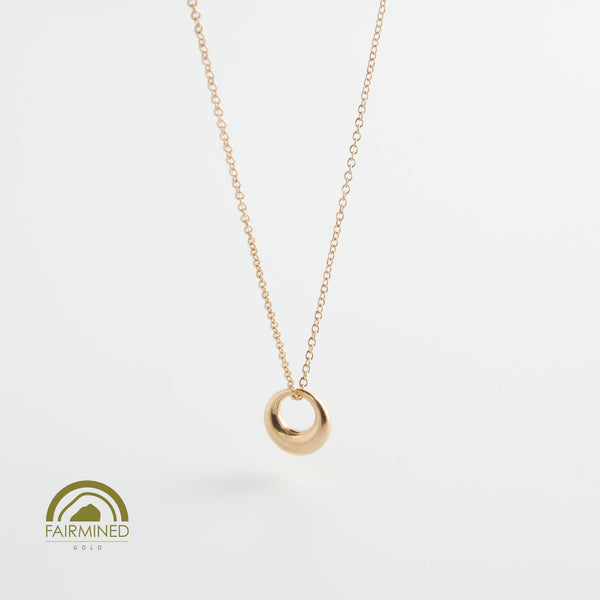
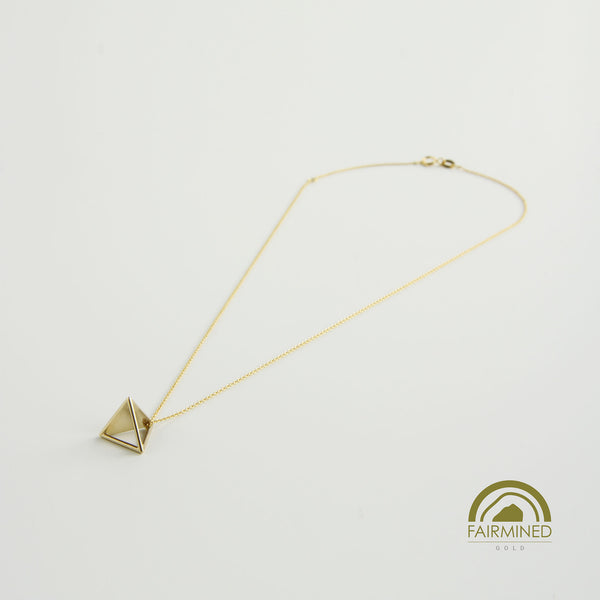
At Minrl, we use high-quality rolo chains for some of our necklaces, while we don’t make these chains in-house, we carefully select them from trusted suppliers, ensuring they match our standards of finish and integrity, so they can highlight and elevate the handcrafted charms we design.
Their simple symmetry complements everything: delicate pendants, bold sculptural statements, or meaningful charms. The repetition of the circle is calming, echoing cycles in nature and relationships. You’ll also find the belcher motif in unexpected places: historic signboards, Victorian railings, or the detailing of urban benches and lighting.
Care tip: As with all linked chains, store your Belcher pieces individually to avoid tangling, and let their classic rhythm shine against bare skin or bold fabrics.
6. Ball Chain: Playfulness, Touch, and Movement
The ball chain is immediately recognizable for its sequence of evenly spaced silver spheres linked together. While often associated with keychains, badges, or industrial details, this structure has been embraced by jewelry designers for its contemporary, tactile appeal.
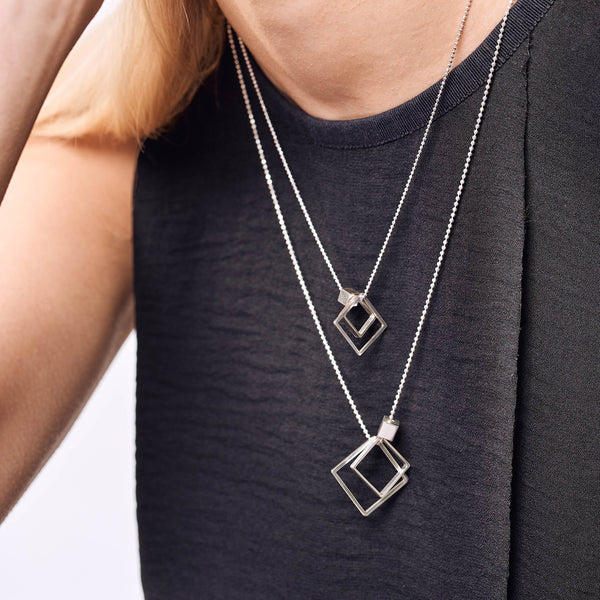
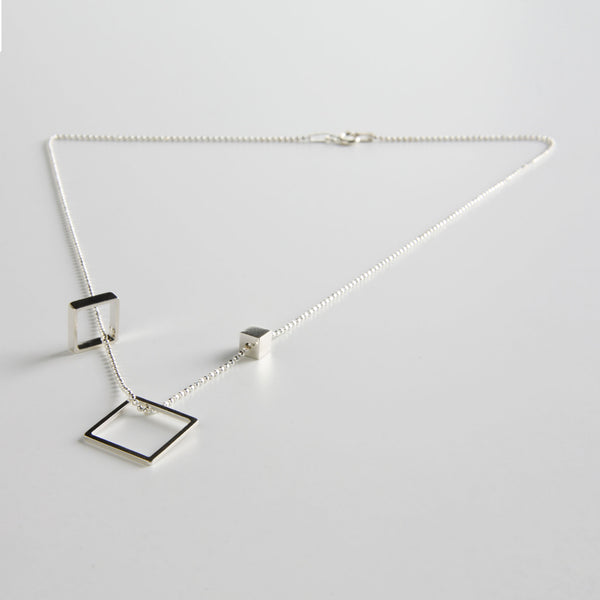
In our Geometric Toys Circles necklaces, the ball chain takes center stage: the gentle rhythm of the polished silver beads combines with well-proportioned, rounded charms, transforming each piece into a little “toy”, elegant, touchable, and endlessly intriguing. The mirror-polished surfaces catch the light, and the chain comes in various lengths to suit your comfort and style preferences.
The ball chain’s design recalls childhood play, where repeated elements stimulate the senses and spark creativity, yet it also fits seamlessly into modern urban aesthetics thanks to its geometric simplicity.
Care tip: The polished beads can be wiped with a soft cloth to maintain their shine and pleasant feel.
7. Paperchain: Folds of Memory and Modern Origami
Sometimes, a piece isn’t technically a “chain”, but its repetitive structure and spirit of connectivity make it kin to the classics. Our Paperchain Necklace/Bracelet was inspired by playful childhood crafts and the elegance of origami: two long, thin silver ribbons are hand-folded hundreds of times to create a flexible, elastic silhouette that drapes exquisitely around neck or wrist.
Though the pattern takes its cue from paper chains found at festivals and celebrations, the finished form is a meditation in precious metal, showing how humble repetition transforms into wearable sculpture. The exclusive magnetic clasp allows these pieces to be worn solo, linked together, or looped creatively, while the contrast of polished and natural finishes references the dynamic tension found in origami art.
Origami, at its heart, is all about transformation. A simple sheet of paper becomes something intricate, symbolic, and beautiful, just like the Paperchain becomes a new kind of jewelry, referencing both memory and innovation.
Look for echoes of this folded motif in contemporary architecture, art installations, or even modern packaging design: everywhere we value tradition reimagined through creativity.
Care tip: The folded silver surface will evolve with age and wear, acquiring a unique patina. Clean gently and cherish the changes, they’re a testament to your personal story.
Why Chains Endure: Connection, Meaning, and the Gift of Craft
As you explore the world of chains, threading together ancient craftsmanship and modern imagination, you may notice how each piece quietly holds more than beauty. A simple link clasped around the wrist, a familiar weight at the end of the day, becomes a private reminder of people and promises that matter most.
Across centuries, bracelets have been given and worn as invitations to remember, to trust, and sometimes, to keep a cherished secret close. Perhaps that’s why, especially at times of celebration and togetherness, these forms return to us, quiet symbols of affection, constancy, or a connection that stretches across distance and time.
Maybe you’ll find, this season, the perfect way to honor one of your own stories, choosing a bracelet that simply feels right for a friend, a partner, or for yourself. In that gesture, old meanings quietly take new shape, link by link.